sultan pleco

Sultan Pleco (L264): Care, Diet, Size, Breeding & Tank Size

Sultan Plecos (Leporacanthicus joselimai, L264) have greyish cream colored bodies with black spots. They have powerful sucker mouths that they use to hold onto surfaces. Males and females are much easier to determine from one another when they have reached maturity. The males tend to have larger and broader heads, larger dorsal fins, and brighter coloration. You will want to make sure that you have correctly identified your Pleco so that you are able to provide the correct care for them. Juveniles will have white tips on their dorsal fins and tail fins that will fade as they age.

Guppy Grass

Guppy Grass (Najas Guadalupensis): Care Guide

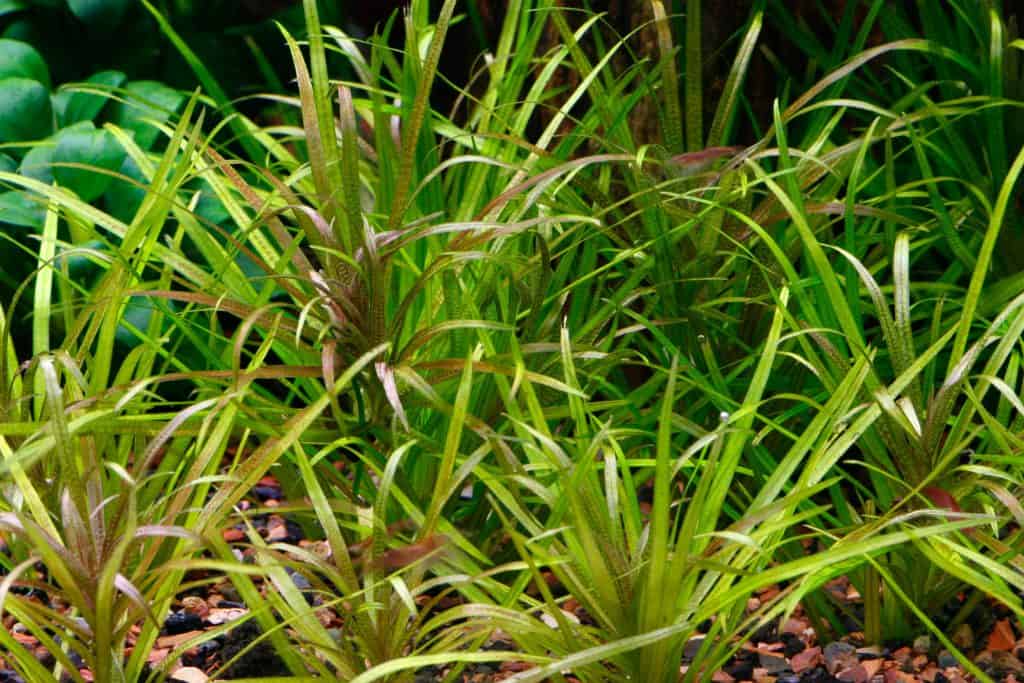
Guppy grass (Najas Guadalupensis) is native to North America, guppy grass is a tall plant that grows fully submerged in freshwater, with long stalks and thin leaves extending from each branch.
It’s found in many places, including streams, ditches, ponds, and even waterways. It’s fast growth rate and aggressive expansion earns it an invasive species status in some countries.

Snowball Pleco

Snowball Pleco (Hypancistrus inspector, L102): Care Guide

The Snowball Pleco (Hypicanistrus Inspector, L102) is an armoured suckermouth catfish part of the Loricariidae family. Its gorgeous white polka dot pattern gives the fish the appearance of being covered in little snowballs, hence its distinctive name. Some Snowball Pleco sport yellow spots as well, adding to the species’ beauty. Comparing the male and females, the former will sometimes show a reddish tint to their armour and more prominent odontodes, which resemble little teeth on their fins. These plecos have the characteristic flattened belly, downturned mouth, and torpedo outline of other catfish, with splayed pectoral and pelvic fins.

Neon Green Rasbora

Neon Green Rasbora (Microdevario kubotai): Care & Lifespan

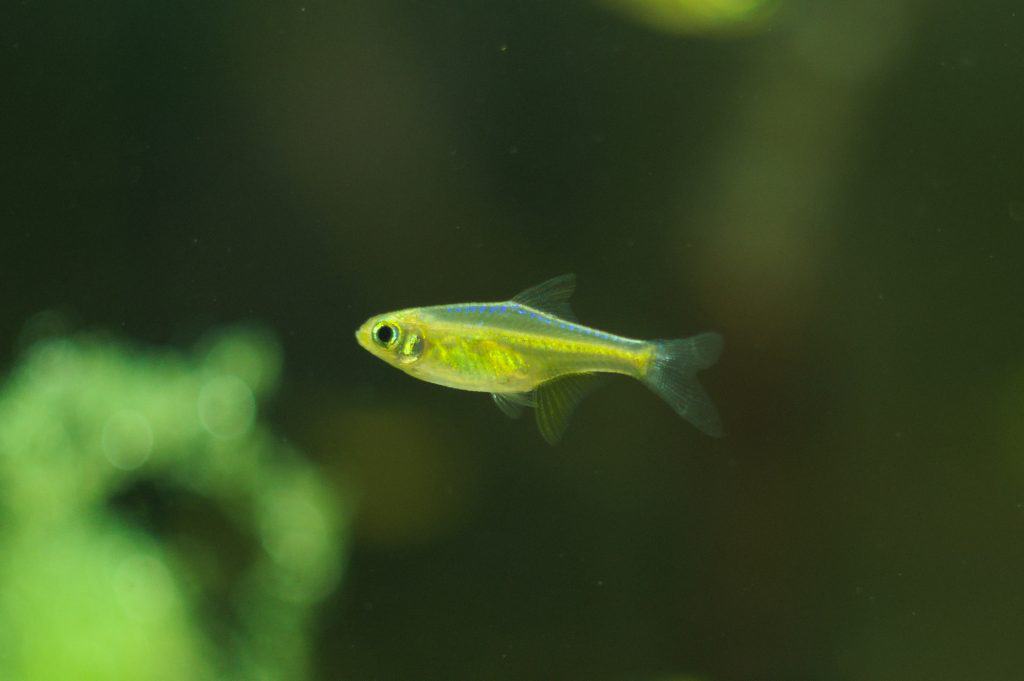
The neon green rasbora (Microdevario kubotai), also known as kubotai rasbora, or green rasbora is a cyprinid native to southeast Asian rivers and streams with vivid, eccentric green and yellow colors. These striking little bright green fish may be challenging to find as most neon green rasboras on the market are wild-caught, making these little fish an attractive addition to any fishkeeper’s aquarium. Once stable and well-conditioned, these little fish are easy to take care of and stand out from the crowd in a well-set environment.

Japanese Rice Fish

Japanese Rice Fish (Oryzias latipes): Care Guide

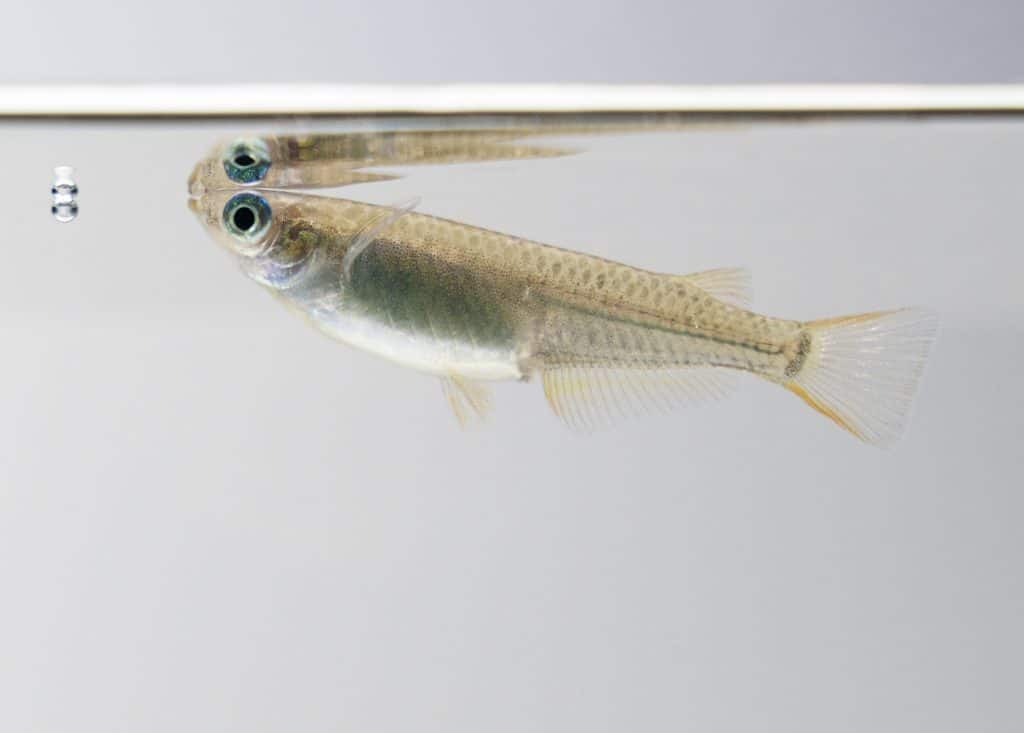
The Japanese Rice Fish (Oryzias Latipes) has been an aquarium fish for aquarists because of its small size, hardiness, and colorful appearance. Japanese Rice Fish are also known as Medaka, Ricefish, and Japanese Killifish.

Japanese Rice Fish is a very special fish since they are the first vertebrate to mate in orbit. In 1994, in space flight mission STS-65 IML-2, Japanese Rice Fish (Oryzias Latipes) were able to successfully mate and fertilize in space.

Exclamation Point Rasbora

Exclamation Point Rasbora Care (Boraras urophthalmoides)

The Exclamation Point Rasbora (Boraras urophthalmoides), also known as the least rasbora or sparrow rasbora, is a type of Rasbora fish native to southeast Asia and produce electric red-orange hues in a dark-water aquascape. These peaceful shoaling fish are an excellent addition for a well-researched tank as they are easy to care for and display …

Exclamation Point Rasbora Care (Boraras urophthalmoides) Read More »

red zebra cichlid

Red Zebra Cichlid: Care, Size, Tank Mates & Breeding

Red Zebra Cichlids (Maylandia Estherae) are beautiful rock dwelling fish from Lake Malawi of Africa. They are endemic to Lake Malawi, and they can be found along the eastern coast of the lake.

Despite their name, Red Zebra Cichlid they aren’t always red. They don’t always display the stripes either. As a polymorphic species, they display a range of different colors. These colors can include beige, brown, blue, orange, yellow, and pink.

saulosi cichlid

Saulosi Cichlid (Pseudotropheus saulosi): Care & Tank Mates

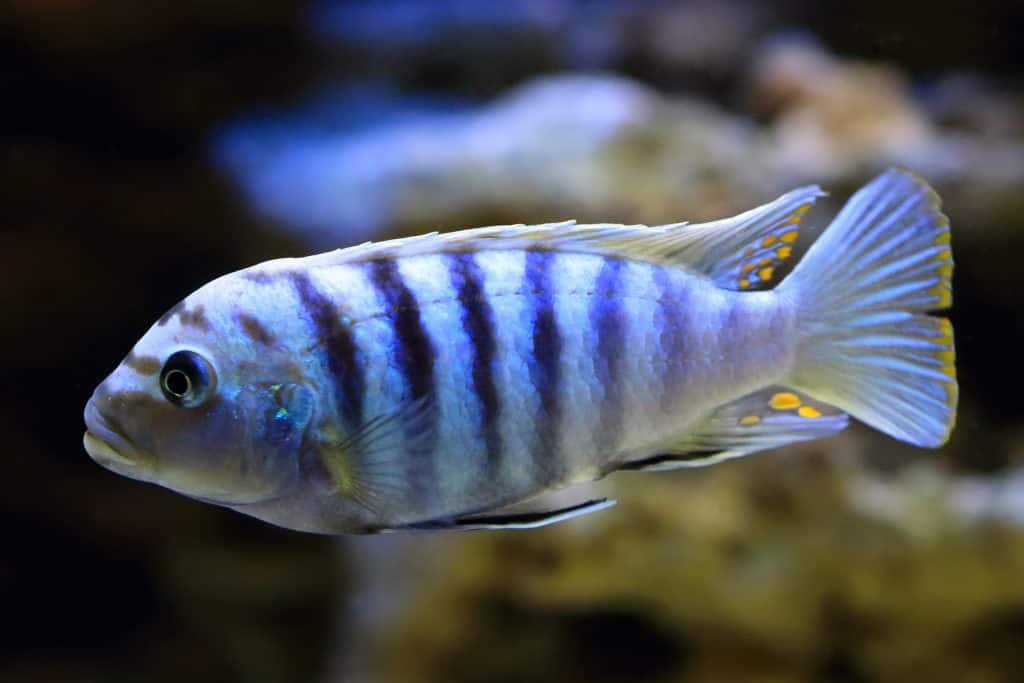
Saulosi Cichlid (Pseudotropheus saulosi) originates from Lake Malawi in Africa. More specifically, these fish are found in an area of the lake called Taiwan Reef. They are found in depths of 7-15 meters. Enormous schools wander near the algae-covered rocky structures of the reef, curiously exploring and searching for food. These schools house mostly yellow fish, which are indications that they are either females or juvenile specimen. Blue coloration would indicate that they are males. The ones with the most vibrant blue coloration is often the dominant male fish. Mature males would also have black bars on their blue bodies.