Limnophila Aquatica

Limnophila Aquatica: The Ultimate Care Guide

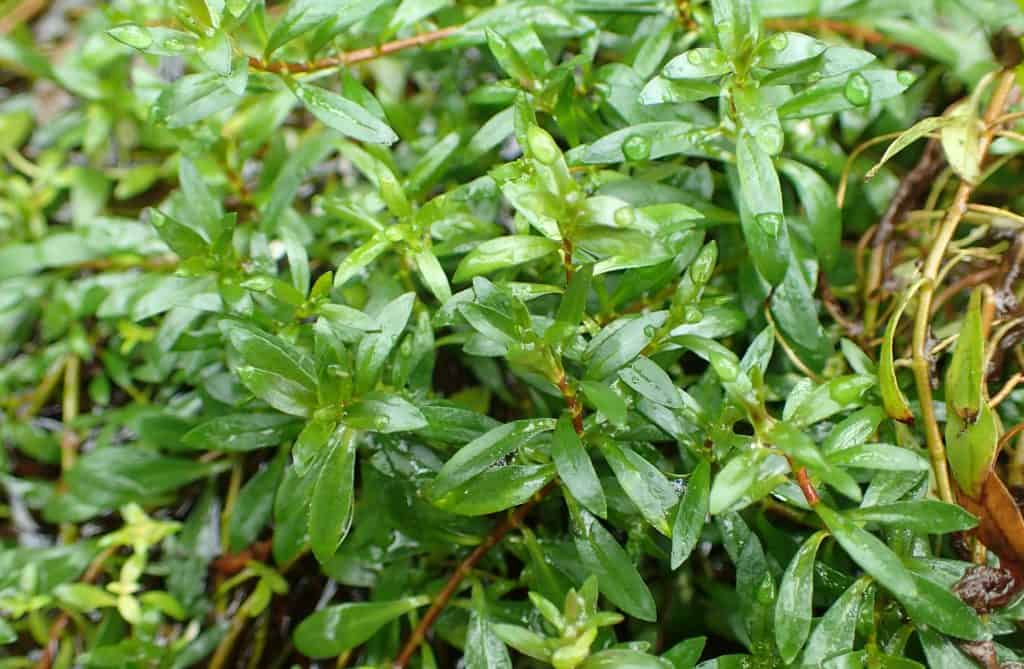
Common Name(s) Giant Ambulia Scientific Name Limnophila aquatica Origin Sri Lanka, India, Asia Ease of Growing Easy Placement Background Height 9-20 inches pH 6.2 – 7.1 Temperature 24 – 27 °C (75.2 – 80.6°F) Growth Rate Moderate to High Propagation Cuttings Light Requirement Moderate to High CO2 Requirement Recommended Low Known as the Giant Ambulia, …

Limnophila Aquatica: The Ultimate Care Guide Read More »

Ludwigia Brevipes

Ludwigia Brevipes: The Ultimate Care Guide

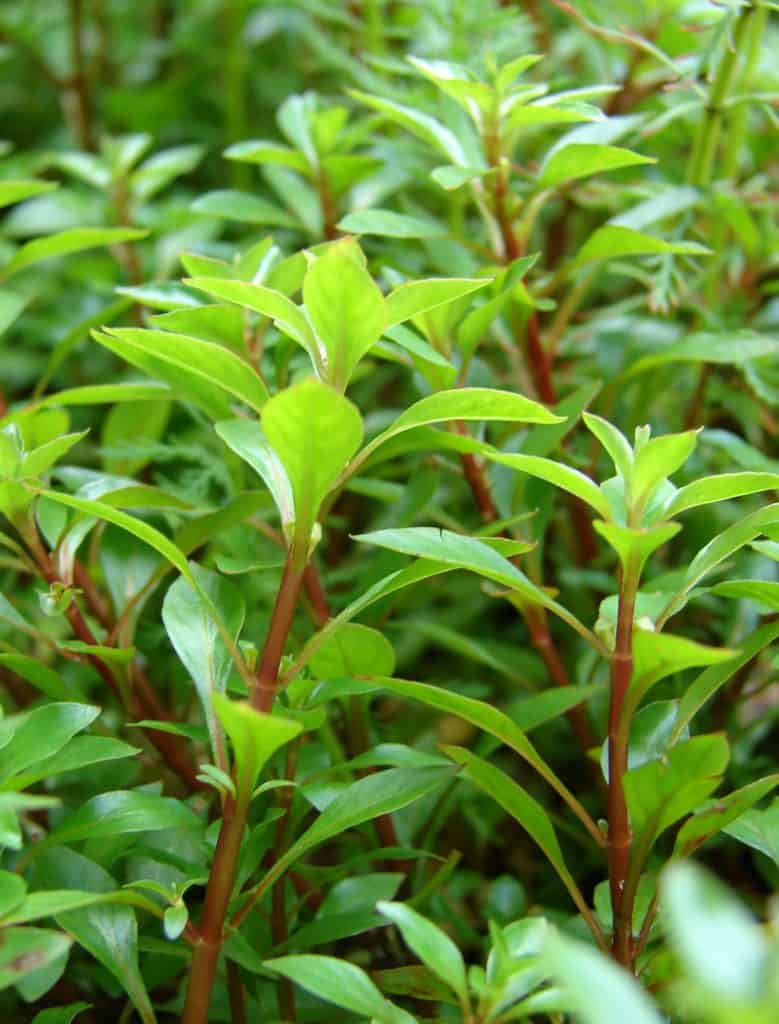
The Ludwigia brevipe is easy to grow in an aquarium, as long as you are keeping an eye on the parameters of the aquarium. Things like lighting, water temperature, and pH levels can have a significant effect on the ludwigia brevipes’ health. It should be mentioned that before you buy anything, it is highly recommended that you plan out your aquarium before you get started. Doing this will save you time, money, and energy, as you will have a clearer understanding of how to properly introduce your ludwigia brevipe into your aquarium, but also how to care for it.

Hydrocotyle Verticillata

Hydrocotyle Verticillata: Ultimate Care Guide

Whorled Pennywort, Shield Pennywort, or Whorled Marshpennywort. Whatever name it’s called, Hydrocotyle Verticillata is an attactive creeping plant which is used in terrariums, paludariums, and aquariums for it’s clover-like appearance and robust growth. Native to North and South America, this plant is easy to grow. Its foliage grows in bunches with round leaves which have …

Hydrocotyle Verticillata: Ultimate Care Guide Read More »

Ramshorn Snail

Ramshorn Snail: Care Guide, Breeding, Eggs, Colors & More

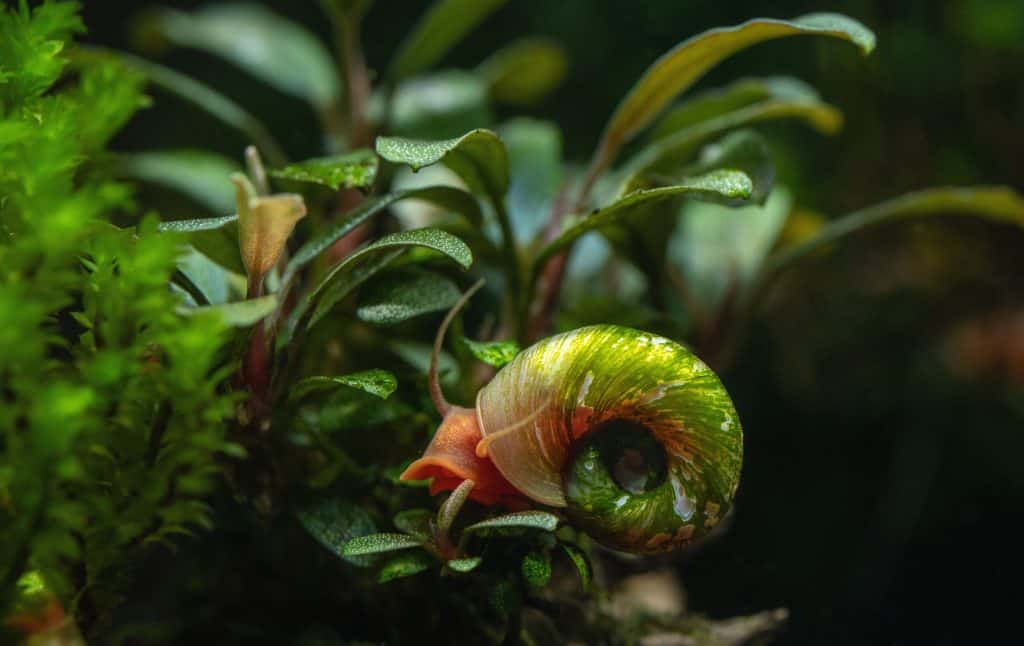
Ramshorn Snails are fairly hardy and easy to care for. They can survive in a wide range of temperatures, and will reproduce often in your home aquarium. Ramshorn snails are not picky about their environment. You don’t need a lot of decor or hiding places for your snails, but they do appreciate live plants. They have been known to eat plants in an aquarium, but they typically will not bother them if they are well fed.