Samurai Gourami Care: Diet, Tank Size, Breeding & Disease

Samurai Gourami male can be distinguished from the female, but it can be somewhat difficult. The female Samurai Gourami is more colorful than the male, and you can identify her more easily by looking at her markings. The females have a vibrant iridescent green to their bodies, and they have red and green vertical bars on their sides. They also have a straighter lower jaw, and have a more prominent head shape than the males. The females also have a reddish tail area. Males are plain in comparison and usually have a pale brown or greyish tint to them. With other species the males are usually more brightly colored than the females are, but with the Samurai Gourami, the opposite is true. This is known as sexual dimorphism.

Celestial Pearl Danio: Care, Tank Size, Breeding & More

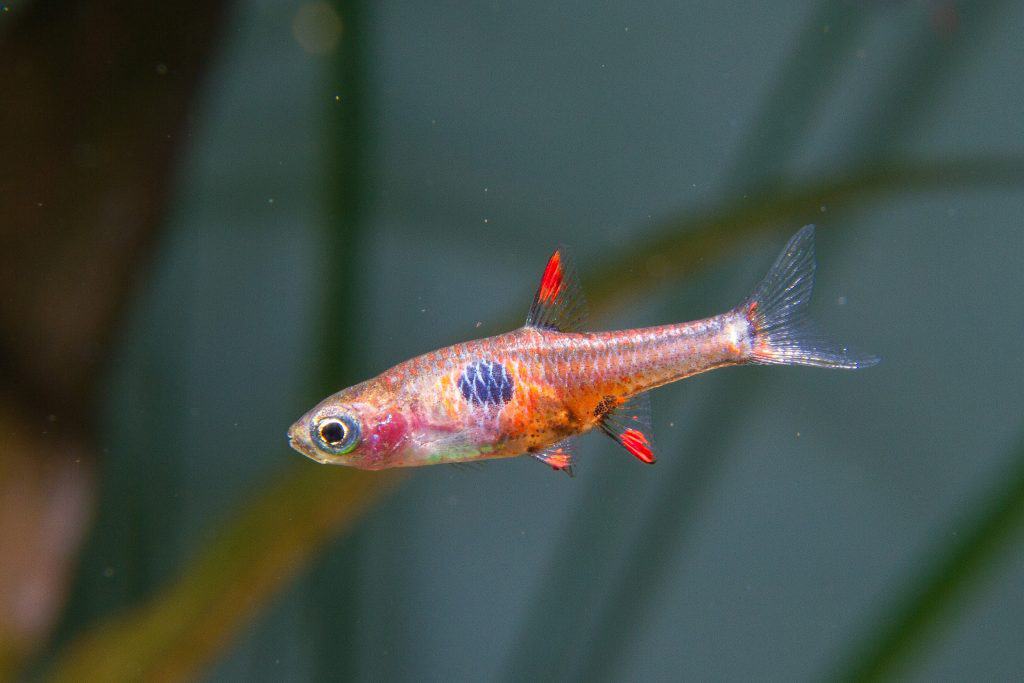
Celestial Pearl Danios (Danio Margaritatus) are a newly discovered species of freshwater fish, and there is much to learn about this fish. They are admired by aquarium hobbyists all over the world for their vibrant color, and active nature. They are often referred to as Galaxy Rasboras, or Firework Rasboras. However, these little fish are more closely related to Danios than they are to Rasboras.

Nile Perch Care: Tank Setup, Food, Behavior & More

Nile Perch are hearty freshwater fish, but keep in mind when purchasing a tank for larger species of fish, you’re buying for long-term care, and so should plan for the largest community you want. A 90-gallon tank is recommended for keeping a perch, as they are large, active, and can grow to fit their surroundings. A larger starter tank will allow you to keep more fish, as well as keep your maintenance time down. The tank will need a heater to maintain temperatures between 75-77 degrees Fahrenheit. They are native to Africa and prefer warm waters.

Longnose Hawkfish (Oxycirrhites typus): Ultimate Care Guide

Best suited to a serene setup, the Longnose Hawkfish appreciates plenty of places to perch and look out over its watery territory.
Being Tropical fish, the optimal temperature for Longnose Hawkfish is between 76.8-84.2F. The water temperature should be stable.
Longnose Hawkfish will thrive in a PH of 8.0-8.4. Fluctuations in PH will not be good for your fish.
Longnose Hawkfish are relatively small. They grow to be up to 5 inches (13cm).

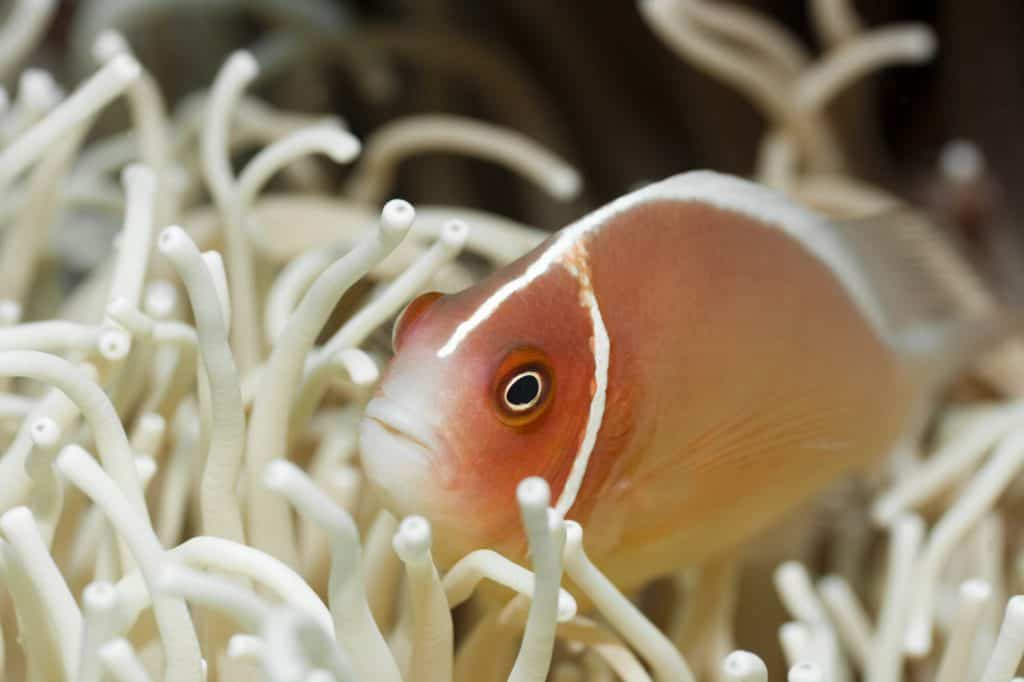
Pink Skunk Clownfish

The pink skunk clownfish is an unusual looking clownfish with a peachy orange colored body and one single white stripe on the head and the cheek. The stripe runs down up to the entire length of the back of the fish. A contradicting stripe is located at behind the eye. These fishes may be pretty aggressive with the smaller fishes nevertheless; they may be browbeaten by many energetic fellow fishes in the tank.

Aquarium Banana Plant: Care, Propagation & Dying Plants

Aquarium Banana Plants are easily identified by the grouping of their tubers that are (when planted) located directly above the soil. They look like a small bunch of unripe bananas which give it the charming name Aquarium Banana Plant. These tubers are where the Aquarium Banana Plant stores its nutrients. It is important to note that these tubers are supposed to rest above the soil. They are not a part of the plant’s roots. If they are planted below the soil, they will rot, and your Aquarium Banana Plant will die.

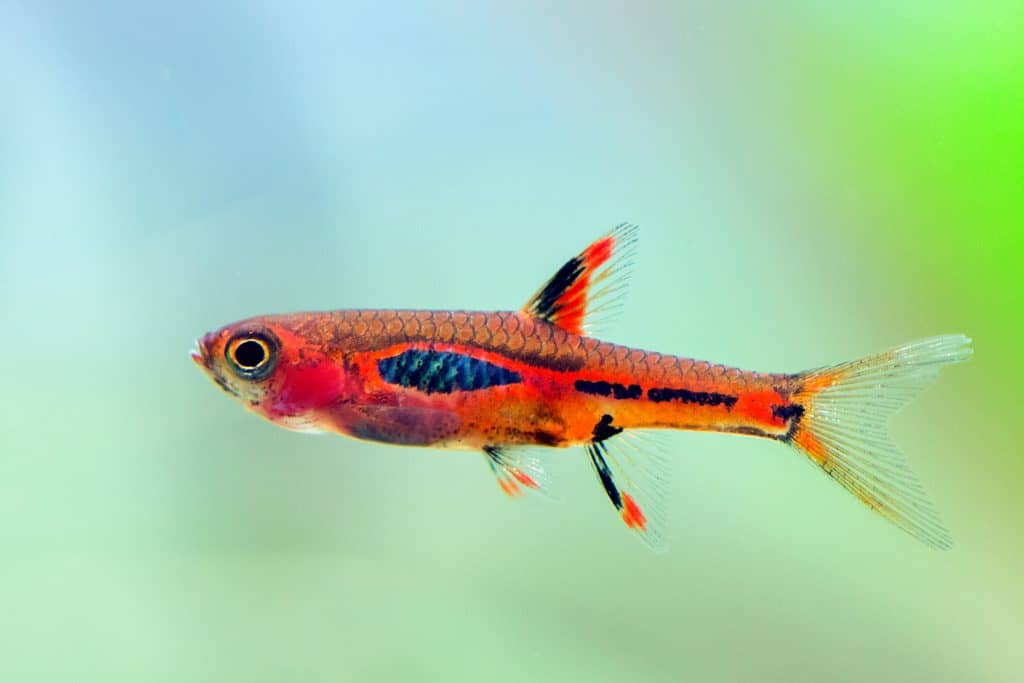
Chili Rasboras Care: Diet, Size, Tank Size & Temperature

Chili Rasboras are a beautifully colored, freshwater, nano schooling fish. They are red-orange in color with a black and red line that runs down their mid lateral line. The males are more brightly colored than the females, but they all share these eye catching color traits. Their flashy coloring and active nature makes them a favorite of aquarium owners all over the world.