Betta Macrostoma

Betta Macrostoma Care Guide: Tank Setup, Size & Breeding

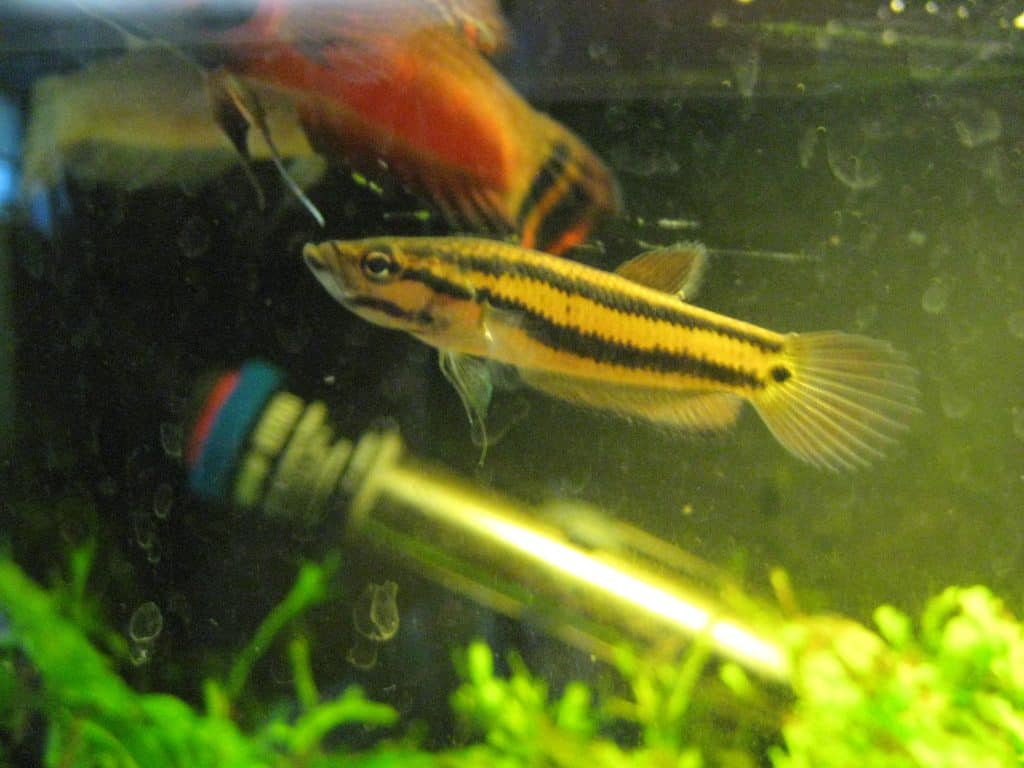
Betta Macrostoma, also known as the Spotfin Betta or the Brunei Beauty, is one of the rarest betta fish in the fish-keeping realm. The betta fish requires specialized care to maintain and enhance overall well-being. This guide will provide you with expert information and instructions regarding optimal environment, proper nutrition, and successful breeding.

Dwarf Baby Tears

Dwarf Baby Tears (Hemianthus callitrichoides): Care Guide

Dwarf Baby Tears (Hemianthus callitrichoides) is a semi-aquatic plant in the Linderniaceae family. They are also known as Water Starwort, and they can be found in the West Indies. This includes Cuba, Puerto Rico, and The Bahamas. This plant is believed to have been first collected by Holger Windeløv and Eusebio Canicio Delgado Pérez in 2003 in Las Pozas, Cuba. With their lush green cluster of leaves, Hemianthus callitrichoides began to hit the retail shelves in the United States in 2008. Nowadays they can be found in most stores such as Home Depot and Walmart, as well as online retailers such as Amazon and Etsy. If shopping online, you want to be particularly careful you are purchasing the correct Dwarf Baby Tears, as dwarf baby tears can sometimes be mistaken for Monte Carlo.

Rusty Cichlid

Rusty Cichlid Care (Iodotropheus sprengerae)

The Iodotropheus Sprengerae or more commonly known as the Rusty Cichlid, is a species of fish native to the Chinyamwezi regions of Lake Malawi in East Africa. With its beautiful rusty coat (for females) and lavender purple hue (for males) these species of cichlid make for a great addition to your tank. Being a Mbuna we assume naturally that the Rusty Cichlid is by nature aggressive but that is not that case in most circumstances. These fish can grow up to 4.3 inches and are mouthbrooders. They are named after Kappy Sprenger who was an aquarist from California.

Frontosa Cichlid

Frontosa Cichlid (Cyphotilapia Frontosa): Care Guide

Frontosa Cichlid (Cyphotilapia Frontosa) is one of the most well-known species of cichlid. They originate from Lake Tanganyika. Like many other cichlid species, they do show signs of aggression. However, Frontosa Cichlid is considered relatively peaceful in comparison to many other cichlid species. The scientific name for the Frontosa Cichlid is Cyphotilapia Frontosa. However, it is also known as Frontosa Burundi.

Horseface Loach

Horseface Loach: Care, Food, Tank Mates, Lifespan & More

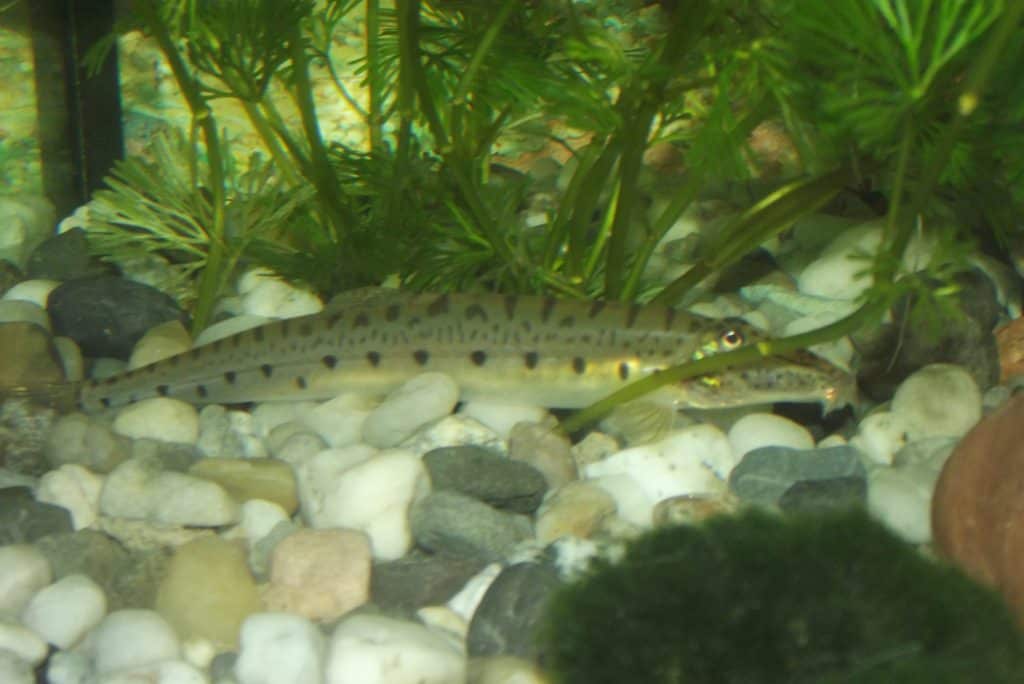
Horseface Loach (Acanthopsis Choirorhynchos) is a river dwelling, freshwater fish native to Southeast Asia. A distinctive shape, the aptly-named fish is known for its elongated, horse-like snout. They can live up to 12 years in the wild and often surpass a decade in captivity. You’re in for a long haul with this fish.

Melanurus Wrasse

Melanurus Wrasse (Halichoeres melanurus): Care Guide

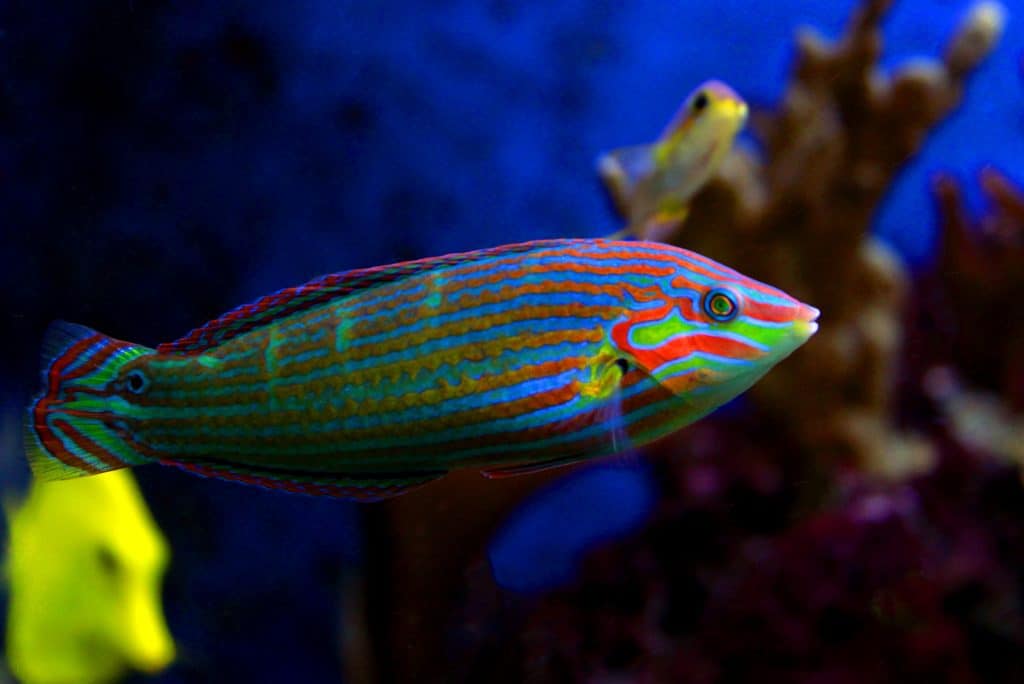
Melanurus Wrasse are an ideal starter wrasse for beginner aquarists wishing to own one of these fish. Their striking colors are beautiful to look at, with their pigmentation becoming more vibrant the older they become. This Western Pacific fish has a healthy appetite, even devouring parasites and pecking their tank mates clean. Melanurus Wrasse are also known as: Hoeven’s Wrasse, Tail Spot Wrasse, Yellow-lined Wrasse, Orange-tipped Rainbowfish, Tailspot Wrasse, and Pinstriped Wrasse.

Delhezi Bichir

Delhezi Bichir (Polypterus delhezi): Ultimate Care Guide

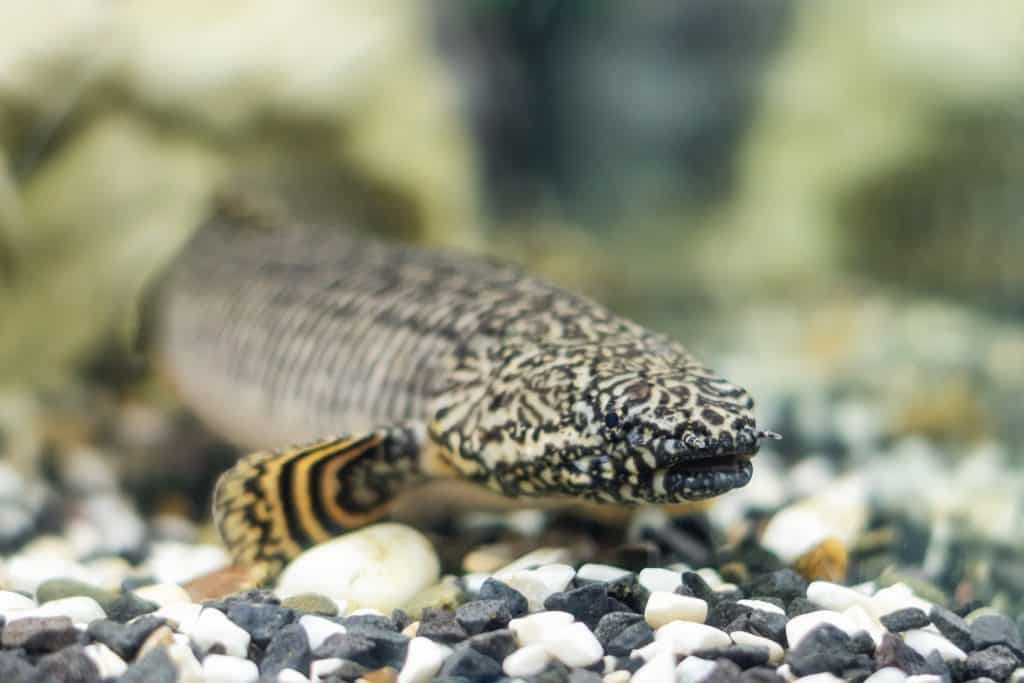
The Delhezi Bichir (Polypterus delhezi), also known as the barred, banded, or armored bichir, is a nocturnal, carnivorous catfish of ancient origins, a native of the Congo River’s middle section, in Central Africa. Mottled with yellow and green specks over roughly a dozen short black stripes, this living fossil is a unique, hardy fish that …

Delhezi Bichir (Polypterus delhezi): Ultimate Care Guide Read More »

Subwassertang

Subwassertang (Lomariopsis Lineata): Ultimate Care Guide

When first looking at the pronunciation of Subwassertang (Lomariopsis Lineata), it’s essential to know that the word stems from the German words “süßwasser” and “tang,” which means “freshwater” “seaweed.” Subwassertang has been a popular aquarium plant since its discovery in the early 2000s. Ever since Christel Kesselman propagated it and gave it out to some fellow aquarists, which then became the new must-have plant, how it got into her aquarium originally is still unknown.

Java Moss (Taxiphyllum barbieri)

Java Moss Care Guide: Growing a Carpet in Aquarium and More

Java Moss is perfect for beginner fish keepers wishing to introduce this moss into their aquarium. Experimenting with where to place this moss can be interesting, as their rhizoids allow them to attach to any surface, granted this makes controlling its growth somewhat difficult. A tank size of at least 5 gallons (19 L) is needed, but depending on how often Java Moss is pruned and whether more than two moss are planted, their growth will need to be accommodated with a 10 gallon (38 L) tank. Low fluorescent or LED lights are recommended for Java Moss, as they do not require bright lights, especially as this will spur algae reproduction.