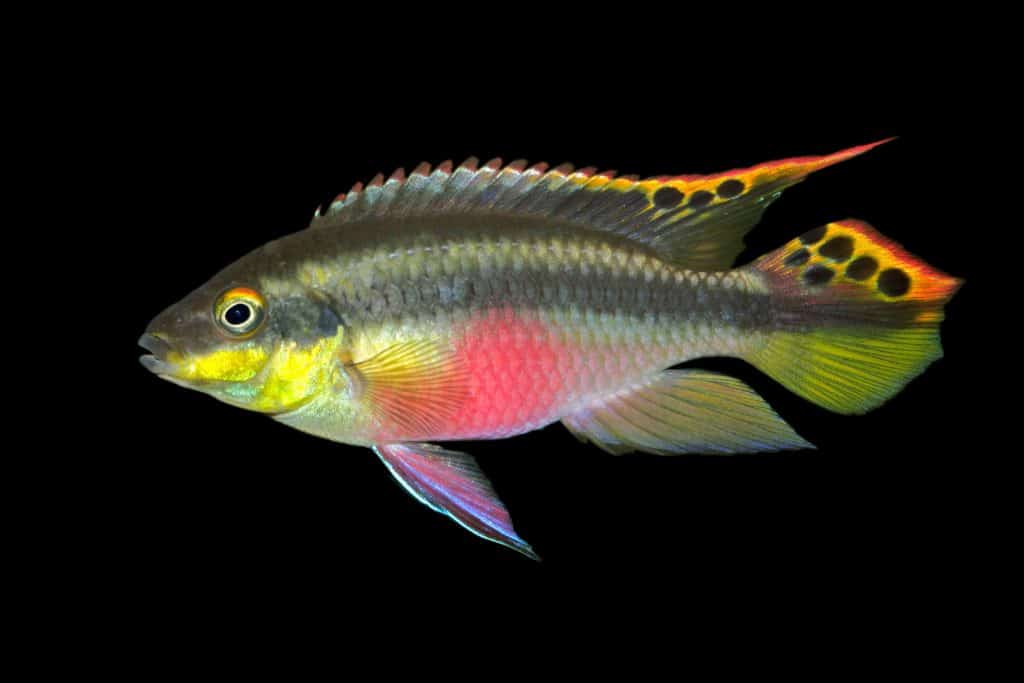
Kribensis Cichlid (Pelvicachromis Pulcher)

Kribensis Cichlid (Pelvicachromis Pulcher): Ultimate Care Guide

Kribensis Cichlids are very colorful fish with many different color variations. Kribensis Cichlids can be identified by their flashy, silver-colored bodies that have a thick black like that runs laterally from their tail to their head. They have bright yellow colored heads, and vibrant red bellies. Kribensis Cichlids also have black spots on their dorsal and tail fins. There are other fish that closely resemble the Kribensis Cichlid, so make sure that you are getting the correct fish when ordering online, or purchasing in a pet store.
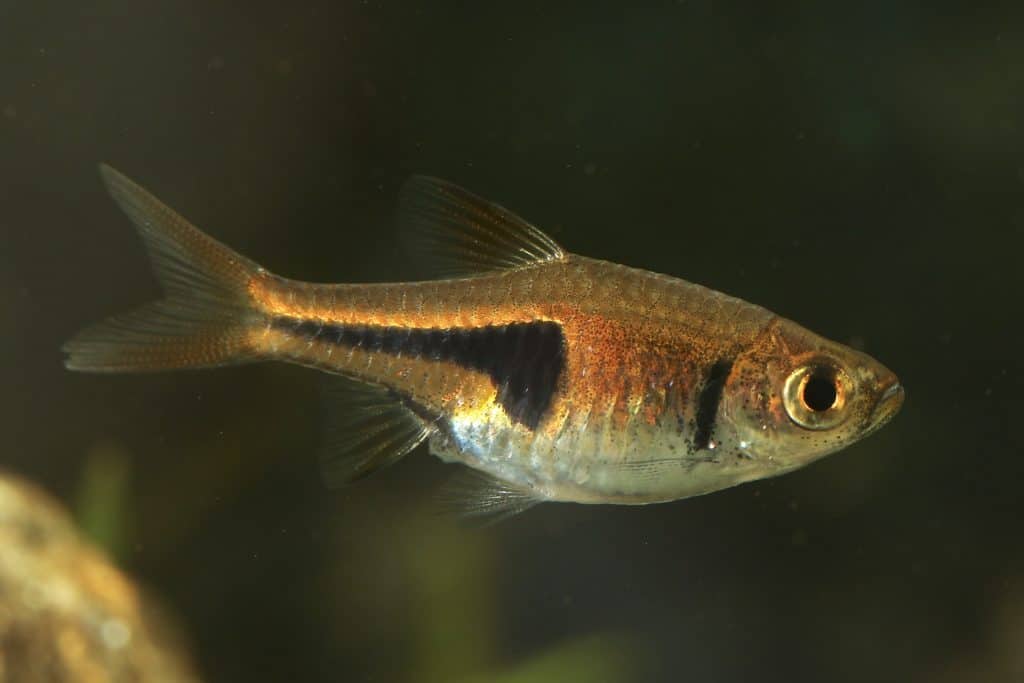
Madagascar Rainbowfish

Madagascar Rainbowfish (Bedotia madagascarensis): Ultimate Care Guide

The Madagascar Rainbowfish (Bedotia madagascarensis), also referred to as the Red-Tailed Silverside, was first documented by zoologist Jacques Pellegrin in 1907. The Madagascar Rainbowfish is endemic to Madagascar, an island off Africa in the Indian ocean. They are found in shady, peaceful areas of the Mananjary River, which makes its way east. The Madagascar Rainbowfish …

Madagascar Rainbowfish (Bedotia madagascarensis): Ultimate Care Guide Read More »

Needle Nose Gar

Needle Nose Gar (Xenentodon Cancila): Ultimate Care Guide

Needle Nose Gar are long, thin fish that have long pointed noses and jaws which are called beaks. Inside their jaws they have teeth. Needle Nose Gar spend most of their time along the surface of the water hunting for food. They use their long jaws and teeth to help them capture prey along the surface of the water and above it. Needle Nose Gar are so thin, it is sometimes referred to as a Stickfish or Silver Needlefish. They could be mistaken for a stick floating in the water if it weren’t for their silvery green sheen. The male Needle Nose Gar will have a black edge to their dorsal and anal fins.

Red Phantom Tetra

Red Phantom Tetra (Hyphessobrycon Sweglesi): Ultimate Care Guide

The Red Phantom Tetra (Hyphessobrycon Sweglesi) is a beautifully vivid, fish that is recommended for aquarists of all experience levels. They are shoaling fish that lives peacefully in community tanks. Part of their scientific name comes from Kyle Swegles, an American aquarist who was known for collecting this species of fish. The Red Phantom Tetra …

Red Phantom Tetra (Hyphessobrycon Sweglesi): Ultimate Care Guide Read More »

Sterbai Cory

Sterbai Cory (Corydora Sterbai): Ultimate Care Guide

Sterbai Corys are popular aquarium fish, and they are often chosen for home aquariums due to their striking markings. They have a black colored body with white spots dotting them all over. They have sharp pointed fins, and flat bellies. Sterbai Cory have barbels on their mouths. These barbels are like their taste buds, and they use them to feel along the bottom for food. In appearance, barbels look like little whiskers that protrude from the bottom sides of their mouths. These barbels are important as they help the fish find food in murky water.

Striped Raphael Catfish

Striped Raphael Catfish (Platydoras Armatulus): Care Guide

Striped Raphael Catfish have a more rounded body shape with pointed heads and tails. They have beautiful striped silver and black bodies with flat bellies. Striped Catfish have 3 sets of barbels on their mouths. One set of barbels is located on the top lip, and the other 2 sets are located on the bottom. Barbels act like taste buds and help them find their food in murky waters. Striped Raphael Catfish also have spines on their backs, and sharp fins. The spines serve them as a form of defense against predators.

Pogostemon Helferi

Pogostemon Helferi (Downoi Plant): Ultimate Care Guide

Pogostemon helferi, also known as Downoi, is an aquatic plant that originates in Thailand. Due to its unique wavy leaves and ease of care, they’ve become a popular aquarium plant. They are often used as a foreground plant in various aquascapes. Pogostemon helferi can be planted in the substrate of an aquarium and will produce a beautiful low star-shaped growth pattern if given lots of light. Even though it will still grow in low light environments, the growth will not be as robust. The optimum parameters for Pogostemon helferi consists of a pH of 6-7.5, temperatures of 68-86°F (20-30°C), and high levels of nutrients.